


If you have been injured because of someone else’s negligence, you may hear legal terms like “personal injury” and “premises liability” used interchangeably. While they are closely related, they are not the same thing. Understanding the distinction can help accident victims better understand their legal rights and what type of claim may apply to their situation.
Many people assume that any injury occurring on another person’s property automatically falls under general personal injury law. In reality, premises liability is a specific category of personal injury law that deals with injuries caused by unsafe or dangerous conditions on someone else’s property.
Whether you slipped on a wet grocery store floor, tripped over broken stairs at an apartment complex, or suffered injuries from inadequate security at a commercial property, understanding the differences between these legal concepts can provide valuable insight into how liability is determined.
Understanding Personal Injury Law
Personal injury law is a broad area of civil law that allows individuals to seek compensation when they suffer harm because of another person’s negligence, recklessness, or wrongful conduct. The purpose of a personal injury claim is to help injured individuals recover financial losses associated with medical expenses, lost wages, pain and suffering, and other damages resulting from an accident.
Personal injury cases arise in many different situations. Motor vehicle accidents, motorcycle crashes, truck collisions, pedestrian accidents, bicycle accidents, dog bites, defective products, workplace accidents involving third parties, and medical malpractice are all examples of personal injury matters. Each type of case has its own legal standards, but they all generally require proving that another party acted negligently and that the negligence directly caused the injury.
Negligence is one of the fundamental principles of personal injury law. To establish negligence, an injured person typically must show that another party owed them a duty of care, breached that duty, caused the accident, and ultimately caused measurable damages. Although these elements sound straightforward, proving them often requires substantial evidence, documentation, and legal analysis.
Because personal injury law covers such a wide variety of accidents, each case is evaluated according to the specific facts surrounding the incident.
What Is Premises Liability?
Premises liability is a specialized area within personal injury law that focuses specifically on injuries caused by unsafe property conditions. Rather than involving negligent driving or defective products, premises liability centers on whether a property owner or occupier failed to maintain reasonably safe conditions for lawful visitors.
Property owners generally have a legal responsibility to exercise reasonable care in maintaining their premises. This responsibility may include inspecting the property for hazards, repairing dangerous conditions within a reasonable period, warning visitors about known dangers, and taking appropriate measures to reduce foreseeable risks.
Premises liability claims can arise in numerous settings, including grocery stores, shopping malls, restaurants, office buildings, hotels, apartment complexes, schools, parking garages, amusement parks, and private residences. Every property presents unique risks, but owners are generally expected to address hazards that could foreseeably cause injuries.
Not every accident occurring on someone’s property automatically results in liability. Property owners are not insurers of every visitor’s safety. Instead, liability generally depends on whether the owner knew or reasonably should have known about the dangerous condition and failed to take appropriate action.
The Key Difference Between Premises Liability and Personal Injury
The easiest way to understand the distinction is to think of personal injury law as the larger legal category, while premises liability is one specific type of personal injury claim.
Every premises liability case is a personal injury case, but not every personal injury case involves premises liability.
For example, if another driver runs a red light and causes a serious collision, the resulting lawsuit would generally be a personal injury claim involving automobile negligence. Since the accident did not occur because of unsafe property conditions, premises liability law would not apply.
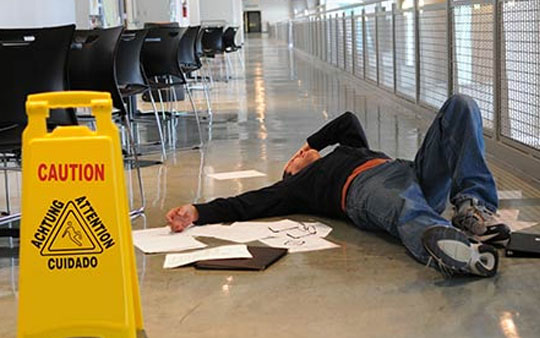
On the other hand, if someone slips on a freshly mopped floor in a supermarket where no warning signs were posted, the injured individual may have a premises liability claim because the injury resulted from a potentially dangerous condition on the property.
Although both types of cases involve negligence, the source of that negligence differs significantly. Personal injury law encompasses virtually every type of negligence claim involving physical harm, while premises liability focuses specifically on the duties associated with owning, controlling, or maintaining property.
Common Examples of Premises Liability Cases
Premises liability encompasses many different types of accidents beyond the well-known slip and fall incident. Unsafe property conditions can create serious risks in both residential and commercial environments.
Slip and fall accidents are among the most common examples. Wet floors, spilled liquids, uneven sidewalks, loose carpeting, broken handrails, icy walkways, and poor maintenance can all contribute to falls that result in broken bones, spinal injuries, or traumatic brain injuries.
Trip and fall accidents frequently occur because of cracked pavement, exposed wiring, damaged flooring, or improperly maintained stairs. These seemingly minor hazards can lead to severe injuries, especially for older adults.
Inadequate security cases may arise when property owners fail to provide reasonable security measures despite foreseeable criminal activity. Examples might include poorly lit parking lots, broken security gates, malfunctioning locks, or insufficient security personnel in locations with known safety concerns.
Swimming pool accidents, falling merchandise in retail stores, elevator or escalator malfunctions, dog bites occurring on private property, and injuries caused by structural defects may also fall under premises liability law depending on the specific circumstances.
Each case requires careful examination of the property’s condition, maintenance history, inspection procedures, and the actions taken by the property owner before the incident occurred.
How Liability Is Determined
Determining liability in a premises liability case involves analyzing numerous factors. Simply proving that an injury occurred on someone else’s property is generally not enough.
Courts often examine whether the property owner knew about the dangerous condition or reasonably should have discovered it through regular inspections. If a hazard existed for an extended period without being addressed, that may strengthen an injured person’s claim.
The reason the injured individual was on the property may also be relevant. Property owners generally owe different duties depending on whether someone was a customer, invited guest, tenant, or another type of visitor. The specific legal standards vary by state and according to the circumstances of each case.
Evidence often plays a significant role in establishing liability. Surveillance footage, maintenance records, inspection logs, witness statements, photographs, incident reports, and medical documentation can all become important pieces of evidence during an investigation.
Insurance companies frequently conduct their own investigations before determining whether they believe liability exists. Because these investigations can become complex, obtaining legal guidance early may help preserve important evidence and protect an injured person’s rights.
Damages That May Be Available
When a premises liability claim is successful, injured individuals may be entitled to pursue compensation for losses resulting from the accident. The exact damages available depend on the facts of each case and applicable state law.
Potential compensation may include medical expenses, future medical treatment, rehabilitation costs, lost income, diminished earning capacity, pain and suffering, emotional distress, and other accident-related losses.

In cases involving permanent disabilities or long-term medical complications, future damages may become an important component of the claim. Calculating these losses often requires reviewing medical records, employment history, and expert evaluations.
Every case is unique, and there is no standard settlement amount that applies to all premises liability claims. Factors such as injury severity, available evidence, insurance coverage, and the extent of financial losses all influence the value of a potential claim.
Why Understanding the Difference Matters
Knowing whether an injury falls under general personal injury law or premises liability can help individuals better understand the legal issues involved in their case. Different types of accidents often require different investigations, evidence, and legal strategies.
Premises liability cases frequently involve questions regarding property maintenance, inspection procedures, building codes, and hazard prevention. Other personal injury cases, such as automobile collisions, may instead focus on driver conduct, traffic laws, accident reconstruction, or vehicle safety.
Understanding these distinctions can also help accident victims ask informed questions when consulting an attorney. An experienced personal injury lawyer can evaluate the facts, identify the applicable legal principles, and explain the available legal options based on the specific circumstances.
When to Speak With a Personal Injury Attorney
After any serious accident, seeking medical attention should always be a priority. Once immediate health concerns have been addressed, consulting with an experienced personal injury attorney can help you better understand your legal rights and responsibilities.
An attorney can review the available evidence, explain whether premises liability laws may apply, communicate with insurance companies on your behalf, and help determine the appropriate course of action. Early legal guidance may also help preserve evidence that could become important if a claim is pursued.
Because every accident presents unique facts and legal considerations, obtaining individualized advice from a qualified attorney is often the best way to evaluate your situation.
Conclusion
Premises liability and personal injury are closely connected, but they are not identical. Personal injury law encompasses a broad range of negligence-based claims, while premises liability specifically addresses injuries caused by unsafe conditions on someone else’s property.
Understanding this distinction can help accident victims recognize how these claims differ and why the facts surrounding an accident play such an important role in determining liability. Whether an injury results from a car accident, a defective product, or a hazardous property condition, the underlying goal remains the same: holding negligent parties accountable when their actions or omissions cause harm.
If you have suffered injuries and believe someone else’s negligence may have contributed to your accident, speaking with a qualified personal injury attorney can help you better understand your legal options and make informed decisions about your next steps.
Disclaimer: This article is provided for general informational purposes only and should not be considered legal advice. Reading this content does not create an attorney-client relationship. Laws vary by jurisdiction, and every case is different. If you need legal advice regarding your specific situation, consult with a qualified attorney.