


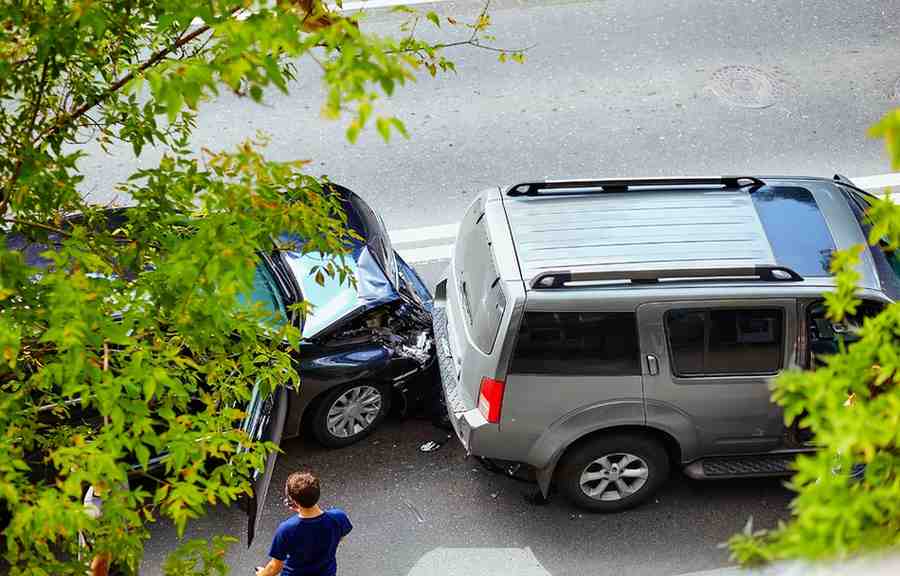
Rear end car accidents are among the most common traffic collisions in California, particularly in busy regions like Los Angeles where congestion, stop-and-go traffic, and aggressive driving are part of everyday life. These crashes often happen in seconds, but their consequences can last far longer, affecting a person’s health, finances, and overall quality of life.
Many drivers assume rear end accidents are minor or automatically resolved, yet that assumption can be misleading. Even low-speed impacts can cause serious injuries, vehicle damage, and complicated insurance disputes. Questions about fault, medical treatment, and legal rights often arise quickly, leaving accident victims unsure of what to do next.
Understanding how rear end collisions occur, why they happen so frequently, and how California law generally treats them can make a significant difference after an accident. Being informed helps drivers and passengers make better decisions, protect their rights, and avoid costly mistakes during an already stressful situation.
Understanding Rear End Car Accidents
A rear end car accident occurs when one vehicle strikes the back of another. These collisions often happen at intersections, in heavy traffic, or on freeways when traffic suddenly slows or stops. Although rear end crashes are frequently associated with low speeds, they can also occur at high speeds and result in significant injuries and property damage.
One reason rear end accidents are so common is that they often stem from everyday driving behaviors. Following too closely, driving while distracted, or failing to anticipate traffic conditions can leave a driver with too little time to react. Even a momentary lapse in attention can be enough to cause a collision. In California, where traffic congestion is part of daily life, these risks are magnified.
It is also important to understand that not all rear end accidents are the same. Some involve only two vehicles, while others trigger chain-reaction crashes involving multiple cars. Each scenario presents different challenges when it comes to determining fault and assessing injuries.
Common Causes of Rear End Collisions
Rear end accidents are rarely caused by a single factor. More often, they result from a combination of driver behavior, road conditions, and environmental factors. One of the most frequent causes is distracted driving. Looking at a phone, adjusting a navigation system, or even turning to speak to a passenger can delay reaction time just long enough to cause a crash.
Tailgating is another major contributor. California law requires drivers to maintain a safe following distance, allowing enough space to stop safely if the vehicle ahead suddenly brakes. When drivers follow too closely, they significantly increase the risk of a rear end collision.
Sudden stops also play a role, particularly in urban traffic. While drivers are generally expected to anticipate normal traffic patterns, unexpected or abrupt braking can catch trailing drivers off guard. Weather conditions, such as rain that reduces traction, can further increase stopping distances and accident risk.
Injuries Commonly Associated With Rear End Accidents
One of the most misunderstood aspects of rear end collisions is the severity of injuries they can cause. Even low-speed crashes can result in painful and lasting physical harm. Whiplash is one of the most well-known injuries associated with rear end accidents. It occurs when the head and neck are violently forced forward and backward, straining muscles, ligaments, and soft tissues.
In addition to whiplash, rear end accidents can cause back injuries, including herniated discs and spinal strain. These injuries may not be immediately apparent at the scene of the accident but can worsen over time. Head injuries, including concussions, are also possible, especially if the head strikes the headrest or another part of the vehicle.
More severe rear end collisions can lead to broken bones, internal injuries, and psychological trauma. Chronic pain, reduced mobility, and ongoing medical treatment are not uncommon outcomes. For this reason, seeking medical evaluation after any rear end accident is critical, even if symptoms seem mild at first.
Determining Fault in Rear End Car Accidents
In California, rear end accidents are often presumed to be the fault of the driver who struck the vehicle in front. This presumption is based on the general rule that drivers must maintain a safe distance and be prepared to stop. However, this presumption is not absolute, and there are situations where the front driver may share or bear responsibility.
For example, if the leading vehicle suddenly stops without reason, has non-functioning brake lights, or makes an unsafe maneuver, fault may be disputed. In multi-vehicle rear end collisions, determining liability becomes even more complex. Each driver’s actions are examined to assess whether they contributed to the chain of events.
California follows a comparative negligence system. This means fault can be shared among multiple parties, and compensation may be adjusted based on each party’s percentage of responsibility. Understanding how fault is determined is crucial for anyone involved in a rear end accident, particularly when injuries and insurance claims are involved.
The Role of Insurance After a Rear End Collision
After a rear end car accident, insurance plays a central role in addressing vehicle damage and injury claims. California requires drivers to carry minimum liability insurance, but these limits are often insufficient to cover serious injuries. Insurance companies may attempt to resolve claims quickly, sometimes before the full extent of injuries is known.
It is important to remember that insurance adjusters work for the insurance company, not for the injured party. Their goal is to minimize payouts. Statements made shortly after an accident can be used to challenge or reduce a claim later. This is one reason many accident victims choose to seek legal guidance before engaging in detailed discussions with insurers.
Documentation is key in any insurance claim. Medical records, repair estimates, photographs of the scene, and witness statements can all help establish what happened and how the accident affected those involved.
What To Do After a Rear End Car Accident
The moments following a rear end collision can be stressful and confusing. Safety should always come first. If possible, vehicles should be moved out of traffic to prevent further accidents. Emergency services should be contacted if anyone is injured or if there is significant property damage.
Seeking medical attention promptly is essential, even if injuries are not immediately obvious. Some symptoms, particularly those related to soft tissue or spinal injuries, may take hours or days to appear. Early medical documentation can also be important if a legal claim arises later.
It is also advisable to report the accident to law enforcement and obtain a copy of the police report. This report can serve as an important piece of evidence when determining fault. Exchanging information with the other driver and documenting the scene with photographs can further protect your interests.
Legal Options for Those Injured in Rear End Accidents
When injuries result from a rear end car accident, victims may have the right to pursue compensation for medical expenses, lost income, pain and suffering, and other damages. California law allows injured parties to seek recovery from the at-fault driver, but navigating this process can be challenging.
Legal representation can help accident victims understand their options, evaluate the value of their claim, and communicate with insurance companies. An experienced personal injury attorney can also identify factors that may affect liability, such as comparative negligence or multiple responsible parties.
While not every rear end accident requires legal action, it is often wise to explore your rights, particularly when injuries are serious or liability is disputed. Early legal guidance can help avoid costly mistakes and ensure that important deadlines are met.
How Rear End Accidents Affect Long-Term Health and Finances
The impact of a rear end collision often extends far beyond the initial accident. Ongoing medical treatment, physical therapy, and time away from work can create financial strain. In some cases, injuries may limit a person’s ability to perform their job or enjoy daily activities, affecting quality of life.
Understanding the potential long-term consequences of a rear end accident underscores the importance of taking these incidents seriously. What may seem like a minor collision at first can lead to significant challenges down the road. Taking proactive steps to protect your health and legal rights can make a meaningful difference.
Final Thoughts
Rear end car accidents are common, but they are not always simple. From determining fault to addressing injuries and insurance claims, these collisions raise important legal and practical issues. Drivers and passengers who understand the basics are better equipped to protect themselves and make informed decisions after an accident.
If you or a loved one has been involved in a rear end collision in California, seeking professional guidance can provide clarity during a difficult time. At LA Injury Attorneys, we are committed to helping accident victims understand their options and pursue fair compensation, while relieving them of unnecessary legal stress. Remember, you do not pay unless you win.
Disclaimer: This blog post is intended for general informational purposes only and does not constitute legal advice. Reading this article does not create an attorney-client relationship. Every accident and legal situation is unique, and laws may change over time. For advice specific to your circumstances, consult with a qualified California personal injury attorney.