

Car accidents are an unfortunate reality on California roads, especially in high-traffic areas like Los Angeles and surrounding communities. In the moments and days following a crash, injured drivers are often faced with medical concerns, vehicle damage, and insurance calls, all while trying to understand who is legally responsible for what happened. At the center of nearly every claim is one critical issue, fault.
Fault determination in California is not always simple or intuitive. Unlike states that follow rigid rules assigning blame to one party, California law recognizes that accidents often involve multiple contributing factors. The way fault is evaluated can significantly affect insurance coverage, financial recovery, and long-term legal outcomes. Gaining a clear understanding of how California determines fault after a car accident can help drivers avoid costly mistakes and protect their rights during an already stressful time.
Why Fault Matters in California Car Accident Cases
Fault plays a central role in nearly every car accident claim. Insurance companies use fault determinations to decide who pays for vehicle damage, medical bills, lost income, and other losses. If fault is disputed or shared, it can directly impact the amount of compensation an injured person may receive.
California does not follow a simple system where only one driver is always blamed. Instead, the state applies rules that recognize how real accidents happen, often involving mistakes by more than one party. Because of this, understanding fault rules is essential before accepting an insurance settlement or making statements about the accident.
California Is a Fault-Based State
California operates under a fault-based system for car accidents. This means the person who caused the accident is financially responsible for the damages that result. Unlike no-fault states, injured drivers in California can pursue compensation directly from the at-fault driver’s insurance company.
In practice, this allows accident victims to seek recovery for a wide range of damages. These may include medical expenses, property damage, lost wages, reduced earning capacity, and pain and suffering. However, proving fault is necessary before compensation can be recovered, and that process is not always straightforward.
The Pure Comparative Negligence Rule
One of the most important aspects of California car accident law is the pure comparative negligence rule. Under this system, fault can be divided among multiple parties, including the injured person. Even if someone is mostly at fault, they may still recover compensation.
For example, if a driver is found to be 70 percent responsible for an accident and the other driver is 30 percent responsible, the first driver can still recover 30 percent of their damages. This rule applies even in cases where one party bears the majority of the blame.
Comparative negligence often becomes a key issue in insurance negotiations. Insurers frequently try to assign a higher percentage of fault to the injured person in order to reduce what they have to pay. Understanding this rule helps accident victims recognize when fault is being unfairly shifted.
How Fault Is Determined After a Car Accident
Fault determination does not happen automatically. It is based on evidence, investigation, and legal standards. Several parties may be involved in evaluating fault, including police officers, insurance adjusters, and attorneys.
Police Reports and Their Role
After many car accidents, law enforcement officers prepare a traffic collision report. These reports typically include observations from the scene, statements from drivers and witnesses, and any citations issued. While a police report can be influential, it is not the final word on fault.
Insurance companies and courts consider police reports as one piece of evidence. If a report contains errors or incomplete information, it can be challenged with additional proof.
Insurance Company Investigations
Insurance adjusters conduct their own investigations to decide fault. They review photos, vehicle damage, medical records, statements, and sometimes surveillance or traffic camera footage. Adjusters also rely heavily on California traffic laws when deciding whether a driver acted negligently.

It is important to remember that insurance companies are businesses. Their goal is to minimize payouts. This is why fault determinations made by insurers do not always align with what injured victims believe is fair or accurate.
Evidence Used to Establish Fault
Fault determinations are built on evidence. Common forms of evidence include photographs of the accident scene, vehicle damage patterns, skid marks, road conditions, and injuries. Witness statements can be especially valuable when liability is disputed.
In more serious accidents, experts such as accident reconstruction specialists may be used to analyze how the crash occurred. These professionals examine physics, vehicle data, and scene evidence to explain fault in a clear and credible way.
Common Scenarios That Affect Fault
Certain accident scenarios frequently raise questions about fault. While every case is unique, California law provides general guidance on how responsibility is typically assessed.
Rear-End Collisions
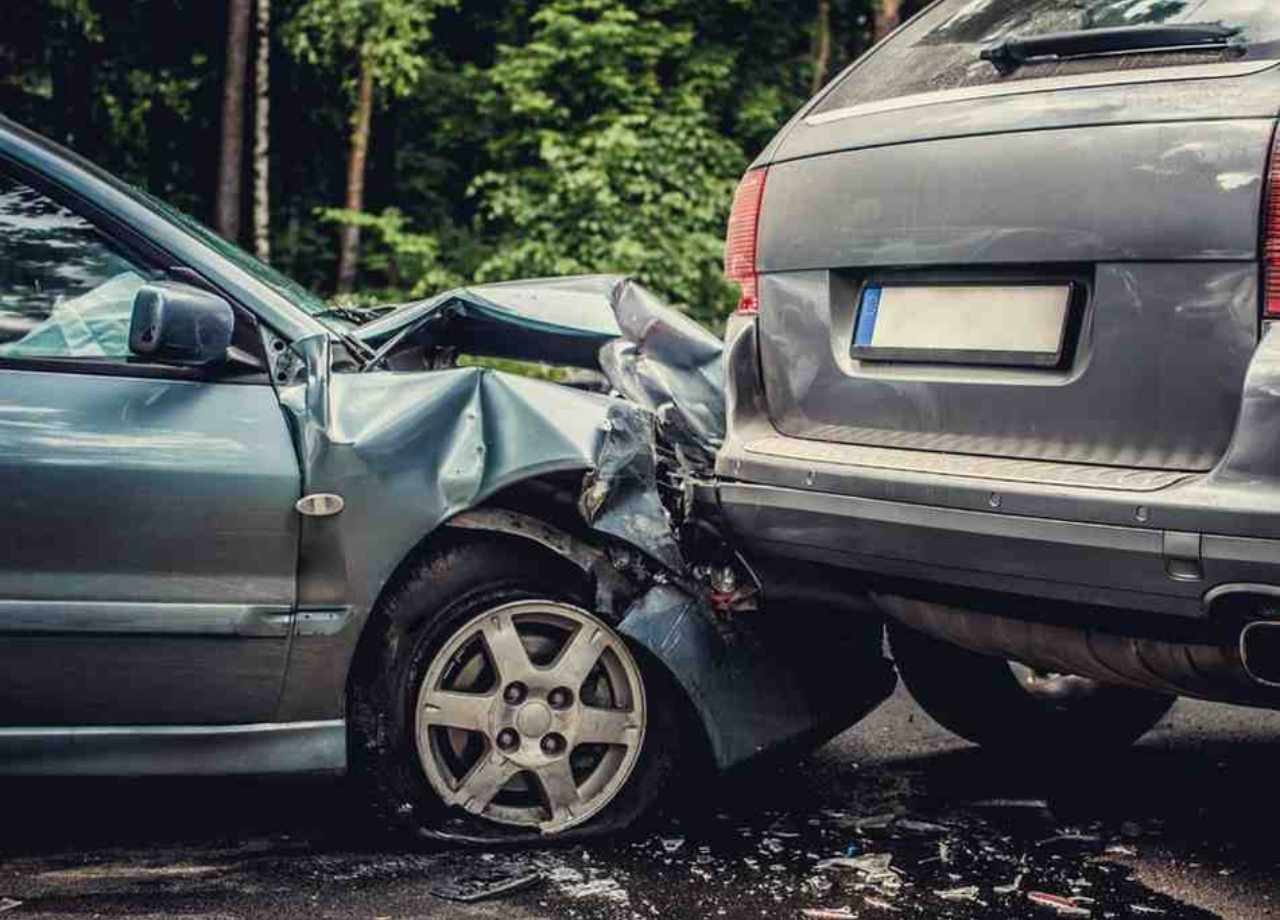
In many rear-end accidents, the driver who strikes another vehicle from behind is presumed to be at fault. California law requires drivers to maintain a safe following distance and remain attentive. However, this presumption can be challenged if the front driver stopped suddenly without reason or had non-functioning brake lights.
Intersection Accidents
Intersections are common sites of serious collisions. Fault often depends on traffic signals, right-of-way rules, and driver behavior. Running a red light, failing to yield, or making an unsafe turn can all establish negligence.
Because intersections often have multiple witnesses and cameras, evidence can play a decisive role in determining fault.
Lane Change and Merging Accidents
Drivers are required to ensure it is safe before changing lanes or merging. Failure to signal, blind spot negligence, or aggressive driving can shift fault to the merging driver. However, speeding or reckless behavior by the other driver may also contribute to the accident.
The Role of Traffic Laws in Fault Determination
California Vehicle Code violations are frequently used to establish fault. When a driver violates a traffic law and causes an accident, that violation may be considered negligence. Examples include speeding, distracted driving, driving under the influence, or failing to obey traffic signals.
This concept is sometimes referred to as negligence per se, meaning the act of violating the law itself supports a finding of fault. Even so, context matters. A violation does not automatically guarantee full fault, especially in comparative negligence situations.
What Happens When Fault Is Disputed
Disputed fault is common, especially in accidents without clear evidence. When drivers give conflicting accounts, insurers look for objective proof to support one version over another. If a dispute cannot be resolved through insurance negotiations, the matter may proceed to litigation.
In court, fault is decided by a judge or jury based on the evidence presented. Each side has the opportunity to argue how fault should be allocated. This process highlights why early documentation and careful communication after an accident are so important.
How Fault Affects Compensation
The percentage of fault assigned to each party directly impacts compensation. Medical bills, repair costs, and other damages are reduced by the injured party’s share of fault. This makes accurate fault determination one of the most critical aspects of any California car accident claim.
Because financial stakes are high, insurance companies often push for quick settlements before fault is fully analyzed. Accident victims should be cautious about accepting early offers without understanding how fault may be evaluated over time.
Why Legal Guidance Can Make a Difference
While this article provides general information, fault determination can become complex very quickly. Multiple vehicles, commercial drivers, rideshare companies, or government entities can all complicate liability. Additionally, severe injuries often lead to more aggressive insurance defense strategies.
An experienced California car accident attorney can review evidence, challenge unfair fault assessments, and protect an injured person’s right to fair compensation. Legal guidance is especially important when comparative negligence is used to reduce or deny a claim.
Final Thoughts
California’s car accident fault determination rules are designed to reflect real-world driving behavior, where more than one mistake can contribute to a crash. The fault-based system and pure comparative negligence rule allow injured people to seek compensation even when they share some responsibility.
Understanding these principles empowers drivers and accident victims to make informed decisions after a collision. Knowing how fault is determined, what evidence matters, and how compensation is affected can prevent costly mistakes during an already difficult time.
Important Disclaimer
This blog post is for informational and educational purposes only and does not constitute legal advice. Every car accident case is different, and the application of California law depends on specific facts and circumstances. Reading this article does not create an attorney-client relationship. If you have been injured in a car accident, you should consult a qualified California personal injury attorney to discuss your individual situation.
If you or a loved one has questions about a recent accident, LA Injury Attorneys offers free consultations. You do not pay unless we win, and our team is committed to helping you navigate the legal process with clarity, compassion, and confidence.