


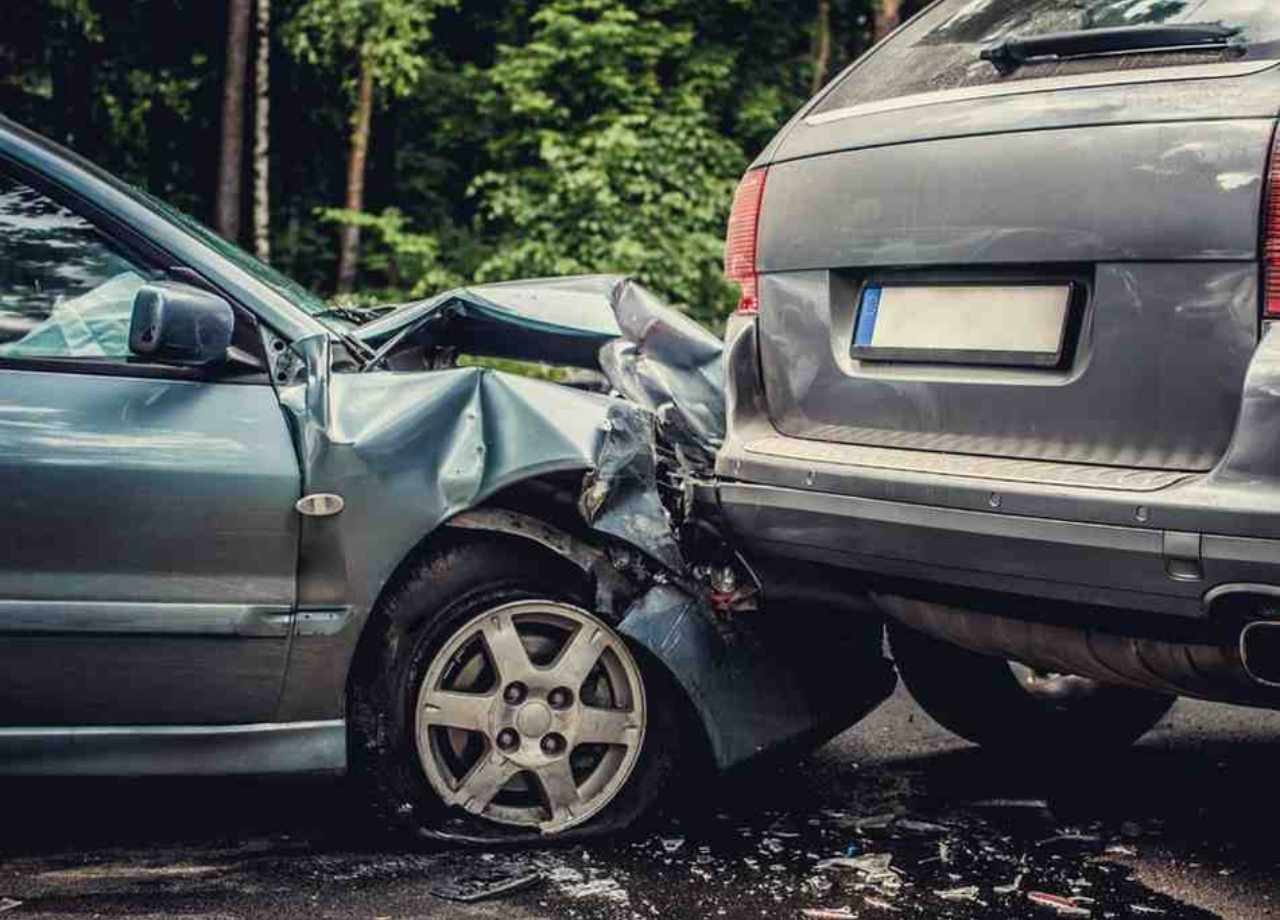
Car accidents happen every day across Los Angeles, from congested freeways like the I-405 and I-10 to busy city intersections. While many people assume that the driver who caused the accident will automatically be held responsible, the legal process is often much more complex. Insurance companies and defense attorneys frequently raise various legal defenses to reduce or eliminate liability. Understanding these defenses can help accident victims better navigate the claims process and appreciate why working with an experienced attorney can make a significant difference.
Whether you were injured in a rear-end collision, T-bone accident, multi-vehicle crash, or another type of collision, knowing the common defenses used in California personal injury cases can help you prepare for what to expect.
Understanding Car Accident Defenses in California
A car accident defense is a legal argument used by the person or insurance company defending against a claim. The purpose of these defenses is generally to dispute fault, reduce financial responsibility, or argue that the injured party should receive less compensation than requested.
California follows a comparative negligence system, meaning that more than one party can share responsibility for an accident. Because of this legal framework, defendants often focus on proving that someone else contributed to the collision or that the injured person’s own actions played a role in causing the accident.
Each case is unique, and the defenses available will depend on the facts surrounding the collision, the available evidence, witness statements, police reports, photographs, surveillance footage, vehicle damage, and expert analysis.
Comparative Negligence Is One of the Most Common Defenses
One of the most frequently used defenses in Los Angeles car accident cases is comparative negligence.
California uses what is known as “pure comparative negligence.” Under this rule, an injured person may still recover damages even if they were partially responsible for causing the accident. However, their compensation may be reduced by the percentage of fault assigned to them.
For example, if someone is found to be 20 percent responsible for an accident, their total damages could be reduced by that same percentage.
Because of this rule, insurance companies often attempt to shift part of the blame onto injured victims. They may argue that the driver was speeding, distracted, failed to maintain a proper lookout, ignored traffic signals, or otherwise contributed to the collision.
Establishing an accurate allocation of fault is often one of the most important aspects of a personal injury claim.
Disputing Liability
Another common defense involves denying responsibility altogether.
The defendant may argue that they did not cause the accident or that another driver was entirely responsible. In accidents involving multiple vehicles, determining liability can become especially complicated because several drivers may have contributed to the chain of events.
Insurance companies frequently investigate accidents by reviewing police reports, interviewing witnesses, examining vehicle damage, and analyzing available video footage. They may also hire accident reconstruction experts to support their position.
When liability is disputed, strong evidence becomes critical in establishing exactly how the collision occurred.
Arguing That the Injuries Were Pre-Existing
Insurance companies often examine an injured person’s medical history to determine whether their injuries existed before the accident.
If someone previously suffered neck pain, back problems, or another medical condition, the defense may argue that the collision did not cause the injuries being claimed. Instead, they may contend that the accident simply involved symptoms that already existed.
However, California law generally recognizes that an accident can aggravate a pre-existing medical condition. Even if someone had prior medical issues, they may still be entitled to recover compensation if the accident significantly worsened those conditions.
Medical records, physician opinions, diagnostic testing, and treatment history often play an important role in addressing this type of defense.
Failure to Mitigate Damages
Another defense sometimes raised is the failure to mitigate damages.
Under California law, injured individuals are generally expected to take reasonable steps to reduce the extent of their injuries and financial losses after an accident. This does not require someone to undergo risky medical procedures or extraordinary treatment. Instead, it generally means following reasonable medical advice and seeking appropriate care.
For example, if someone ignores medical recommendations or delays treatment without a reasonable explanation, the defense may argue that some of the resulting damages could have been avoided.
Insurance companies may attempt to use treatment gaps or missed appointments to reduce the value of a claim, even though there may be legitimate reasons for those delays.
Lack of Causation
Even if fault for the collision is clear, the defense may argue that the accident did not actually cause the injuries being claimed.
This defense focuses on causation rather than liability. The defendant may argue that the injuries resulted from another accident, an unrelated medical condition, or another event that occurred before or after the collision.
Medical experts, diagnostic imaging, treatment timelines, and physician testimony often become important in determining whether the accident directly caused the claimed injuries.
Establishing a clear connection between the accident and the injuries is often essential for a successful personal injury claim.
Sudden Emergency Defense
California law recognizes that drivers may sometimes face unexpected emergencies.
The sudden emergency defense argues that the driver was confronted with an unforeseen situation requiring an immediate response, leaving little or no time to make the safest possible decision.
Examples may include another vehicle suddenly entering the roadway, an unexpected mechanical failure, or a pedestrian unexpectedly stepping into traffic.
If the driver acted as a reasonably careful person would under similar emergency circumstances, this defense may reduce or eliminate liability. However, it generally cannot be used if the driver’s own negligence created the emergency in the first place.
Unavoidable Accident
Closely related to the sudden emergency defense is the argument that the accident was unavoidable.
In these situations, the defense claims that no amount of reasonable care could have prevented the collision. Severe weather conditions, unexpected road hazards, or sudden medical emergencies are examples sometimes raised in support of this argument.
Whether this defense succeeds depends heavily on the specific facts and whether the driver acted reasonably before and during the incident.
Mechanical Failure
Vehicle defects or unexpected mechanical failures can also become part of a defense strategy.
A driver may argue that brake failure, steering problems, tire defects, or another unexpected mechanical issue caused the accident rather than negligent driving.
However, this defense may not succeed if the mechanical failure resulted from poor maintenance or the driver’s failure to properly inspect or repair the vehicle.
In some situations, a defective vehicle component may even shift potential liability toward a manufacturer, repair facility, or maintenance provider.
Independent or Intervening Cause
Sometimes the defense argues that another event occurred after the accident that actually caused the injuries or made them significantly worse.
This is known as an intervening cause.
For example, the defense may claim that another accident, unrelated medical event, or third party’s actions were primarily responsible for the damages rather than the original collision.
These arguments often require detailed medical evidence and careful legal analysis to determine whether the original accident remained a substantial factor in causing the injuries.
Lack of Sufficient Evidence
Not every defense focuses on legal theories. Sometimes the defendant simply argues that the injured person has not presented enough evidence to prove their claim.
Personal injury cases rely heavily on documentation. Medical records, photographs, surveillance footage, repair estimates, police reports, witness statements, employment records, and expert testimony can all strengthen a case.
If evidence is incomplete or inconsistent, insurance companies may use those gaps to challenge liability or the amount of damages being sought.
For this reason, preserving evidence as early as possible after an accident is often extremely important.
How Insurance Companies Use These Defenses
Insurance companies are businesses, and one of their primary goals is managing financial risk. As part of the claims process, adjusters may carefully examine every aspect of an accident to determine whether any legal defenses may reduce the amount they ultimately pay.

Even relatively straightforward cases may involve questions regarding fault, medical treatment, property damage, or the extent of injuries. As negotiations continue, these defenses may become central to settlement discussions.
Understanding that these arguments are common can help accident victims avoid being caught off guard when an insurer challenges aspects of their claim.
Why Legal Representation Can Make a Difference
Car accident claims often involve more than simply proving that a collision occurred. Successfully pursuing compensation may require gathering evidence, interviewing witnesses, consulting medical professionals, analyzing insurance policies, negotiating with adjusters, and presenting persuasive legal arguments.
An experienced Los Angeles personal injury attorney understands the defenses commonly raised in California accident cases and can work to develop evidence that addresses those issues before they become obstacles.
Early legal guidance may also help preserve important evidence and ensure that communications with insurance companies are handled appropriately throughout the claims process.
Conclusion
The legal defenses used in Los Angeles car accident cases vary depending on the circumstances of each collision. Comparative negligence, disputed liability, pre-existing injuries, lack of causation, sudden emergencies, mechanical failures, and insufficient evidence are among the most common arguments defendants and insurance companies may raise.
Understanding these defenses does not necessarily predict the outcome of any individual case, but it provides valuable insight into how personal injury claims are evaluated under California law. Every accident presents unique facts, and experienced legal guidance can help injured individuals understand their rights and options after a serious collision.
If you have been injured in a Los Angeles car accident, speaking with an experienced personal injury attorney can help you better understand the claims process, protect your interests, and evaluate your legal options based on the specific facts of your case.
Disclaimer: This article is for general informational purposes only and should not be considered legal advice. Reading this content does not create an attorney-client relationship. If you have questions about your specific situation, consult a qualified California attorney for legal guidance.
Hurt in a crash? Our Los Angeles car accident lawyers offer a free case review, and you pay nothing unless we win. Call (866) 292-3051.