


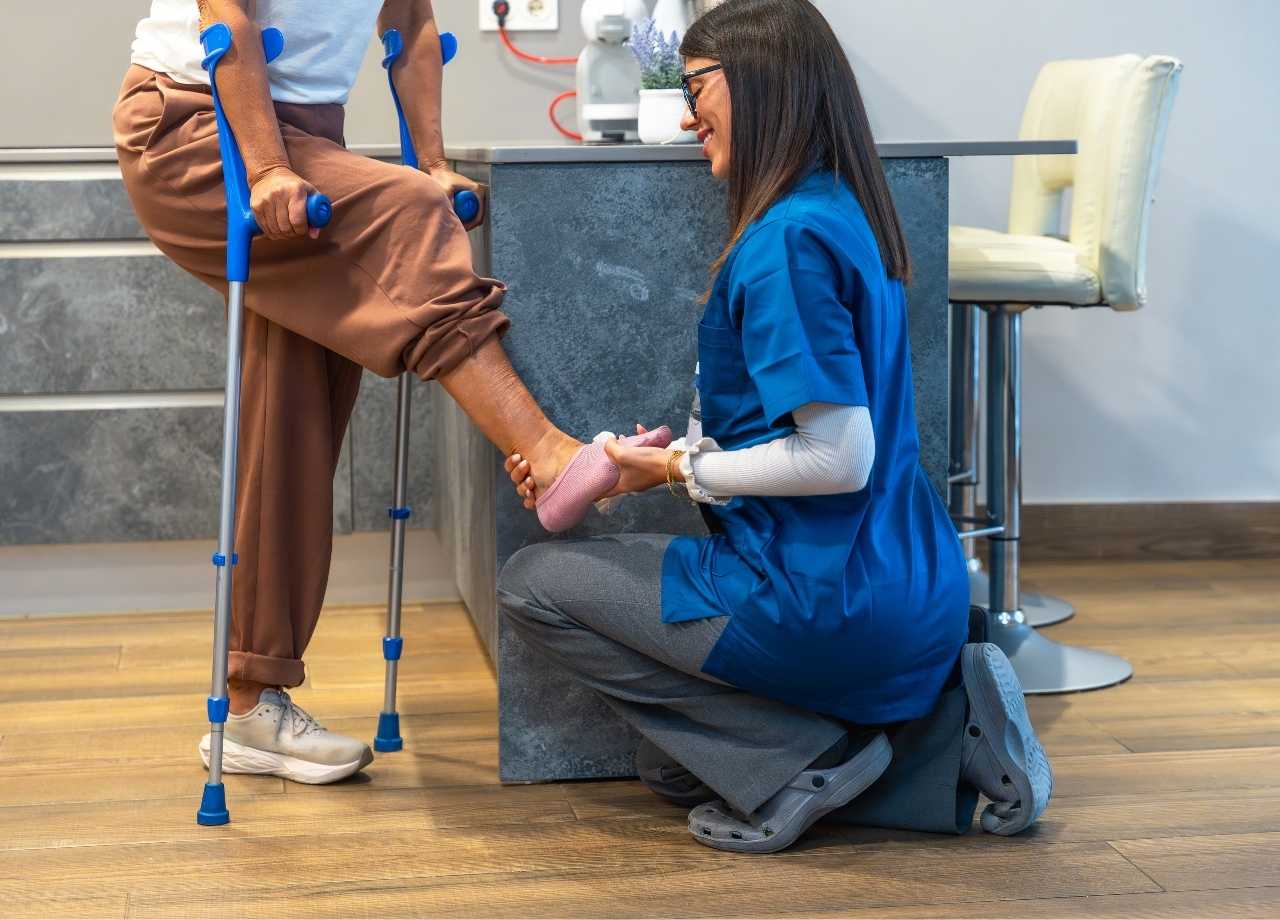
Cuando una persona resulta lesionada debido al comportamiento negligente o imprudente de otra, el dolor físico suele ser solo una parte de la carga. Las facturas médicas comienzan a acumularse, el tiempo sin trabajar genera estrés financiero y el impacto emocional puede ser abrumador. En muchas de estas situaciones, una persona lesionada puede tener derecho a presentar una reclamación por lesiones corporales. Comprender qué es una reclamación por lesiones corporales, cómo funciona y qué puede cubrir es un primer paso importante para proteger sus intereses legales y financieros.
Comprendiendo el significado de un reclamo por lesiones corporales
Una reclamación por lesiones corporales es una reclamación legal que realiza una persona lesionada que busca compensación por daños físicos causados por la negligencia o la conducta ilícita de otra persona. En términos simples, es una forma para que una parte lesionada recupere daños financieros cuando otro individuo, negocio o entidad es legalmente responsable de causar sus lesiones.
Estas reclamaciones surgen comúnmente después de accidentes, como choques de autos, colisiones de camiones, accidentes de motocicleta, caídas y resbalones u otras situaciones en las que una persona no actúa con el cuidado razonable. La persona lesionada, también conocida como reclamante, generalmente presenta la reclamación contra la compañía de seguros de la parte culpable. Si la cobertura de seguro no está disponible o es insuficiente, se puede presentar una demanda directamente contra la parte responsable.
Las reclamaciones por lesiones corporales son una parte fundamental del derecho de daños y están diseñadas para restaurar a la persona lesionada, tanto como sea posible, a la posición en la que se encontraba antes de que ocurriera la lesión.
Situaciones comunes que conducen a reclamaciones por lesiones corporales
Las reclamaciones por lesiones corporales pueden surgir de muchos tipos diferentes de accidentes e incidentes. Los accidentes automovilísticos se encuentran entre las causas más comunes. Cuando un conductor se salta un semáforo en rojo, excede la velocidad, conduce distraído o opera un vehículo bajo la influencia, puede ser considerado legalmente responsable por las lesiones que cause a otros.
Los accidentes por resbalones y caídas son otra fuente frecuente de reclamos por lesiones corporales. Los propietarios en California tienen el deber legal de mantener sus instalaciones en condiciones razonablemente seguras. Cuando peligros como pisos mojados, escaleras rotas o pasillos irregulares causan lesiones, puede surgir un reclamo por lesiones corporales.
Los accidentes laborales, mordeduras de perro, accidentes de peatones, colisiones de bicicletas y incidentes con productos defectuosos también pueden dar lugar a reclamaciones por lesiones corporales. En cada caso, la pregunta central es si la negligencia o la falta de actuar de manera responsable de alguien causó daño físico a otra persona.
¿Qué lesiones cubre un reclamo por lesiones corporales?
Una reclamación por lesiones corporales puede abarcar una amplia gama de heridas físicas, desde las relativamente menores hasta las graves y que cambian la vida. Estas pueden incluir fracturas óseas, lesiones de tejidos blandos, lesiones de espalda y cuello, daño a la médula espinal, lesiones cerebrales traumáticas, quemaduras, laceraciones y daño a órganos internos.
En los casos más graves, las demandas por lesiones corporales pueden incluir discapacidades permanentes, desfiguración o dolor crónico que afecten la capacidad de una persona para trabajar y disfrutar de la vida cotidiana. Las demandas también pueden incluir lesiones que empeoren afecciones médicas preexistentes, siempre y cuando el accidente haya agravado dicha afección.
Es importante entender que las demandas por lesiones corporales se centran en el daño físico. Sin embargo, la ley también reconoce que las lesiones físicas suelen ir acompañadas de efectos emocionales y psicológicos, los cuales también pueden ser objeto de indemnización en determinadas circunstancias.
El papel de la negligencia en las reclamaciones por lesiones corporales
La negligencia es el fundamento legal de la mayoría de las reclamaciones por lesiones corporales. Para tener éxito en una reclamación, la persona lesionada generalmente debe demostrar que la parte culpable actuó negligentemente. La negligencia ocurre cuando alguien no ejerce un cuidado razonable y esa falta de cuidado causa daño a otra persona.
En California, para demostrar la negligencia, por lo general es necesario demostrar cuatro elementos clave. Primero, la parte culpable tenía un deber de cuidado hacia la persona lesionada. Segundo, ese deber se incumplió mediante un comportamiento descuidado o imprudente. Tercero, el incumplimiento causó directamente la lesión. Por último, la persona lesionada sufrió daños reales como consecuencia de ello.
Por ejemplo, los conductores tienen el deber de operar sus vehículos de forma segura. Si un conductor envía mensajes de texto mientras conduce y causa un accidente, ese comportamiento puede considerarse un incumplimiento de su deber de diligencia.
¿Qué tipo de indemnización se puede obtener en una demanda por lesiones corporales?
Uno de los propósitos principales de una reclamación por lesiones corporales es compensar a la persona lesionada por sus pérdidas. Estas pérdidas a menudo se denominan daños y perjuicios. La compensación puede incluir daños económicos, que son pérdidas financieras calculables, así como daños no económicos, que son de naturaleza más subjetiva.

Los daños económicos pueden incluir gastos médicos, tales como atención de emergencia, hospitalizaciones, cirugías, medicamentos, fisioterapia y tratamientos médicos futuros. La pérdida de salarios es otra forma común de daño económico, que incluye los ingresos perdidos durante la recuperación y cualquier reducción en la capacidad futura de generar ingresos causada por la lesión.
Los daños no económicos pueden incluir dolor y sufrimiento, angustia emocional, pérdida del disfrute de la vida y el impacto que la lesión tiene en las relaciones personales. En casos graves, la compensación también puede estar disponible por discapacidad permanente o desfiguración.
Cada reclamación por lesión corporal es única y el valor de una reclamación depende de los hechos específicos, la gravedad de las lesiones y el impacto a largo plazo en la vida de la persona lesionada.
Reclamaciones por Lesiones Corporales y Cobertura de Seguro
En muchos casos, las reclamaciones por lesiones corporales se manejan a través de pólizas de seguro. Por ejemplo, en un accidente automovilístico, la póliza de seguro de automóvil del conductor culpable puede incluir cobertura de responsabilidad por lesiones corporales. Esta cobertura está diseñada para pagar las lesiones sufridas por otras personas cuando el titular de la póliza es responsable de un accidente.
Las compañías de seguros desempeñan un papel importante en los reclamos por lesiones corporales, pero es importante recordar que su objetivo es minimizar los desembolsos. Los ajustadores pueden cuestionar la gravedad de las lesiones, disputar la responsabilidad u ofrecer acuerdos que no reflejen completamente las pérdidas de la persona lesionada.
Comprender cómo funciona la cobertura de seguro y los límites de esa cobertura es una parte importante para gestionar un reclamo por lesiones corporales. En algunos casos, pueden aplicarse múltiples pólizas de seguro, o puede ser necesaria una acción legal adicional si la cobertura es insuficiente.
El Proceso de Reclamación por Lesiones Corporales en California
Si bien cada caso es diferente, las reclamaciones por lesiones corporales en California generalmente siguen un proceso similar. Después de un accidente, la persona lesionada busca tratamiento médico y documenta sus lesiones. Luego, se presenta una reclamación a la compañía de seguros de la parte culpable, junto con pruebas que respalden la responsabilidad y los daños.
La compañía de seguros investiga el reclamo y puede solicitar registros médicos, declaraciones o documentación adicional. A menudo, le siguen negociaciones de liquidación. Si no se puede llegar a un acuerdo justo, la persona lesionada puede optar por presentar una demanda para buscar compensación a través del sistema judicial.
California tiene plazos estrictos, conocidos como estatutos de limitaciones, para presentar demandas por lesiones corporales. En la mayoría de los casos de lesiones personales, la fecha límite es de dos años a partir de la fecha de la lesión. Perder este plazo puede resultar en la pérdida del derecho a solicitar una compensación.
Por qué la asesoría legal es importante en reclamaciones por lesiones corporales
Las reclamaciones por lesiones corporales pueden volverse complejas rápidamente, especialmente cuando hay lesiones graves, responsabilidad en disputa o múltiples partes involucradas. La ley de lesiones personales de California incluye reglas detalladas sobre evidencia, culpa, daños y prácticas de seguros.
Un abogado con experiencia en lesiones personales puede ayudar a proteger los derechos de una persona lesionada, comunicarse con las compañías de seguros y construir un reclamo sólido respaldado por evidencia médica y legal. La orientación legal es particularmente importante cuando las lesiones tienen consecuencias a largo plazo o cuando una compañía de seguros se niega a ofrecer un acuerdo justo.
Tener representación profesional también puede reducir el estrés, permitiendo que las personas lesionadas se enfoquen en su recuperación en lugar de navegar el proceso legal solas.
Dando el Siguiente Paso Después de una Lesión
Si usted o un ser querido ha sufrido una lesión debido a la negligencia de otra persona, comprender qué es un reclamo por lesiones corporales puede ayudarle a tomar decisiones informadas. Actuar con prontitud, buscar atención médica y preservar la evidencia son pasos tempranos importantes.
Una consulta con un abogado calificado de lesiones personales de California puede brindarle claridad sobre sus opciones y ayudarlo a comprender si una reclamación por lesiones corporales podría ser apropiada en su situación. Muchas firmas de abogados de lesiones personales, incluidas LA Injury Attorneys, ofrecen consultas gratuitas y trabajan con base en honorarios de contingencia, lo que significa que usted no paga a menos que se obtenga una compensación.
Descargo de responsabilidad
Este artículo se proporciona únicamente con fines informativos generales y no constituye asesoramiento legal. Cada caso de lesión corporal es diferente, y la información anterior podría no aplicarse a su situación específica. Leer este contenido no crea una relación abogado-cliente. Para recibir asesoramiento sobre sus circunstancias individuales, debe consultar directamente con un abogado calificado en lesiones personales con licencia en California.